
Bronchial Asthma (Tamak Shwas) Ayurvedic Therapeutic Program
- February 27, 2026
- 0 Likes
- 224 Views
- 0 Comments
Tamak Shwas Ayurvedic Therapeutic Program
A specialized Ayurvedic program designed for the management of Bronchial Asthma (Tamak Shwas) through classical detoxification and respiratory system balancing therapies.
This program focuses on clearing accumulated Kapha from the respiratory channels, improving lung function, strengthening immunity, and reducing the frequency and severity of asthma attacks.
Program Duration: 9–12 Days Residential Program
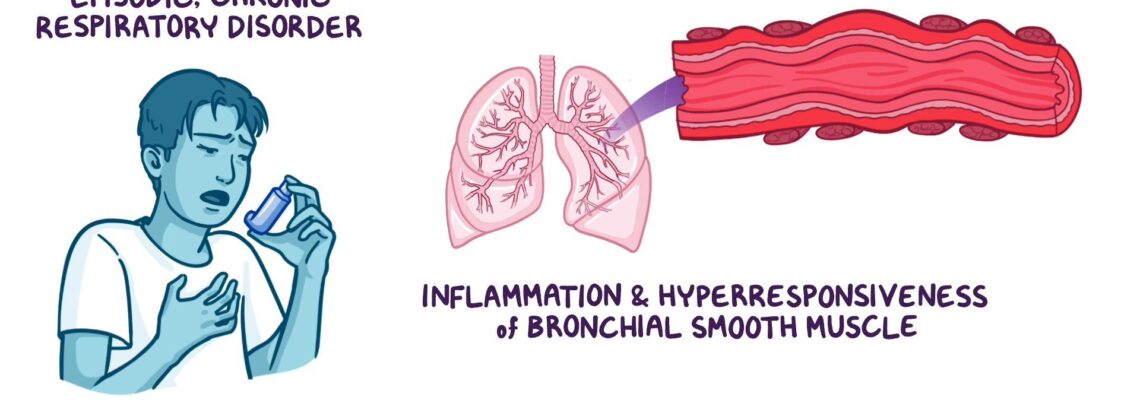
Understanding Tamak Shwas (Bronchial Asthma)
In Ayurveda, bronchial asthma is described as Tamak Shwas, a condition primarily involving aggravated Vata and Kapha dosha affecting the respiratory system.
Accumulation of Kapha blocks the respiratory channels (Pranavaha Srotas), while aggravated Vata causes difficulty in breathing, wheezing, chest tightness, and recurrent attacks.
The treatment therefore focuses on:
- eliminating excess Kapha
- balancing Vata
- cleansing respiratory pathways
- strengthening lung capacity
Common Symptoms
- breathlessness
- wheezing
- chest tightness
- cough with or without mucus
- difficulty breathing during night or early morning
- fatigue after mild exertion
- recurrent respiratory infections
Treatment Philosophy
Ayurveda manages Tamak Shwas through Shodhana (detoxification) and Shamana (balancing therapies).
The primary goal is to remove the root cause rather than only suppress symptoms.
Key objectives include:
- removing accumulated toxins (Ama)
- clearing Kapha from respiratory passages
- restoring digestive fire (Agni)
- strengthening lung function
- reducing recurrence of attacks
Main Line of Treatment
Virechana Karma (Therapeutic Purgation)
Virechana is the principal detox therapy used in this program to eliminate excess Pitta and Kapha from the body.
Benefits:
- detoxification of internal organs
- reduction in inflammation
- clearing of respiratory channels
- improvement in metabolism
This therapy is performed after proper preparation with Snehana and Swedana.
Karna Chedan Karma
Karna Chedan is used as a supportive classical approach traditionally mentioned for respiratory imbalance.
Benefits:
- helps regulate Vata
- supportive role in chronic respiratory conditions
- may help reduce recurrence tendency in Tamak Shwas
This procedure is performed under expert supervision and sterile conditions.
Preparatory Therapies (Poorva Karma)
Snehana (Oleation Therapy)
Internal and external oleation prepares the body for detoxification.
Benefits:
- loosens toxins
- balances Vata
- prepares tissues for cleansing therapies
Swedana (Sudation Therapy)
Herbal steam therapy helps liquefy and mobilize Kapha accumulated in the respiratory channels.
Benefits:
- opens body channels
- reduces stiffness and heaviness
- improves breathing comfort
Supportive Therapies
Depending on patient condition, additional therapies may include:
- herbal steam inhalation
- chest-focused oil therapies
- mild breathing-support therapies
- immune-supportive herbal formulations
These therapies enhance the effectiveness of the main detoxification process.
Diet Protocol During Treatment
Diet is carefully regulated to reduce Kapha and support lung health.
Recommended foods:
- warm and light meals
- moong dal soup
- herbal decoctions
- lightly spiced vegetable preparations
- warm water throughout the day
Foods to avoid:
- cold drinks
- curd and heavy dairy
- fried foods
- excessive sweets
- refrigerated foods
Breathing & Lifestyle Support
Patients are guided with simple supportive practices.
Recommended practices:
Pranayama
• Anulom Vilom
• Bhramari
• Gentle breathing exercises
Lifestyle guidance:
- avoiding cold exposure
- dust control
- proper sleep routine
- stress management
Expected Outcomes
Many patients experience:
- reduction in frequency of asthma attacks
- improved breathing capacity
- reduced mucus accumulation
- improved digestion
- increased energy levels
- improved sleep quality
Results vary depending on severity and chronicity of the disease.
Program Structure
Day 1
Consultation and assessment
Day 2–3
Snehana and Swedana (preparation)
Day 4–5
Virechana Karma
Day 6–9/12
Recovery phase and supportive therapies
Investigations (If Required)
- CBC, IgE levels, Chest X-ray, Pulmonary Function Test (PFT), ESR / CRP
These tests help understand the patient’s respiratory condition and monitor progress.
Post-Treatment Support
After discharge, patients continue oral Ayurvedic medicines for 2–3 months to stabilize the results and strengthen the respiratory system.
Post-treatment support focuses on:
- reducing recurrence of asthma attacks
- improving lung strength
- balancing Kapha and Vata
- improving immunity
- maintaining digestive health
Regular follow-up consultation is recommended.
Who Can Benefit
This program is suitable for individuals suffering from:
- bronchial asthma
- recurrent wheezing
- allergic respiratory conditions
- chronic cough with breathing difficulty
(Program works as supportive care and should not replace emergency medical treatment.)
Registration Process
- Visit the website
- Create patient profile
- Upload medical reports
- Book consultation
- Confirm treatment schedule
Contact
Website
www.theclassicveda.com
Email
theclassicveda@gmail.com
Phone
+91 9449587901
An Ayurvedic therapeutic approach for improving respiratory health and long-term asthma management.